

A storage facility can offer several advantages, from decluttering your home to securing your valuables. Did you know that it might also come with potential tax advantages? Understanding the factors that are storage units tax deductiblecan help you make the most of your rental costs. Here's a guide to the tax benefits of renting a storage space and the tax benefits you could deduct.
1. Business Use
If you're using storage facilities for business reasons, you may be eligible to claim the cost of renting as a business expense. For example, if you're a small company owner who keeps inventory, equipment or other files in an storage unit renting fees can be claimed as an expense of business when you file your taxes. This is particularly relevant for self-employed people or people who run an at-home business in which additional space is required.
To be eligible for this deduction, ensure you've got a storage space that is used exclusively for business purposes. If the unit is used to store personal items as well as business purposes, you'll have to divide the costs in a proportional manner. Keep meticulous records and receipts of your rental payments and be ready to supply evidence in the event in the event of an audit.
2. Rental Property Owners
Real estate investors and landlords who own rental properties can also get deductions from storage units. If you rent a storage space for storage of things related to maintaining or improving your rental properties, such as tools for maintenance and spare parts or supplies--the rental fees may be deductable as part of your property management costs.
Again, it's crucial to distinguish personal storage needs from use for business purposes to ensure accurate deductions. Documentation of the ways in which the storage unit supports your rental property company can prove beneficial to support your claims.
3. Moving Expenses
In some instances, if you're moving for work or relocating for a business, the expense for renting storage unit could be deducted. While the Tax Cuts and Jobs Act of 2017 drastically altered the rules regarding the deduction of moving expenses for individuals, certain exceptions apply. In the event that your moving is related to a job or business change and you meet certain criteria then you may be able to claim the costs of storage associated with the move.
4. Home Office Deduction
If you operate at home with a business and require additional space to store office supplies, documents, or inventory the cost of renting storage facilities could be deducted in part. The deduction is usually available to those who qualify to take advantage of the deductions for home office. The storage expenses should be in proportion to the space used for your business activities in your home office.
5. Record Keeping and Documentation
To take advantage of these tax benefits, thorough records-keeping is necessary. Maintain detailed documents of your rental expenses, and make sure that you can clearly distinguish between personal and business use. Consult with a tax professional to determine the legality for your particular storage unit expenses and ensure you're in compliance with tax laws.
In summary, while renting a storage unit primarily provides security and convenience, it also offers potential tax benefits, specifically for business owners and property managers. If you know what expenses are tax-deductible and keeping proper records, you can make the most of the financial benefits from the storage unit you rent.
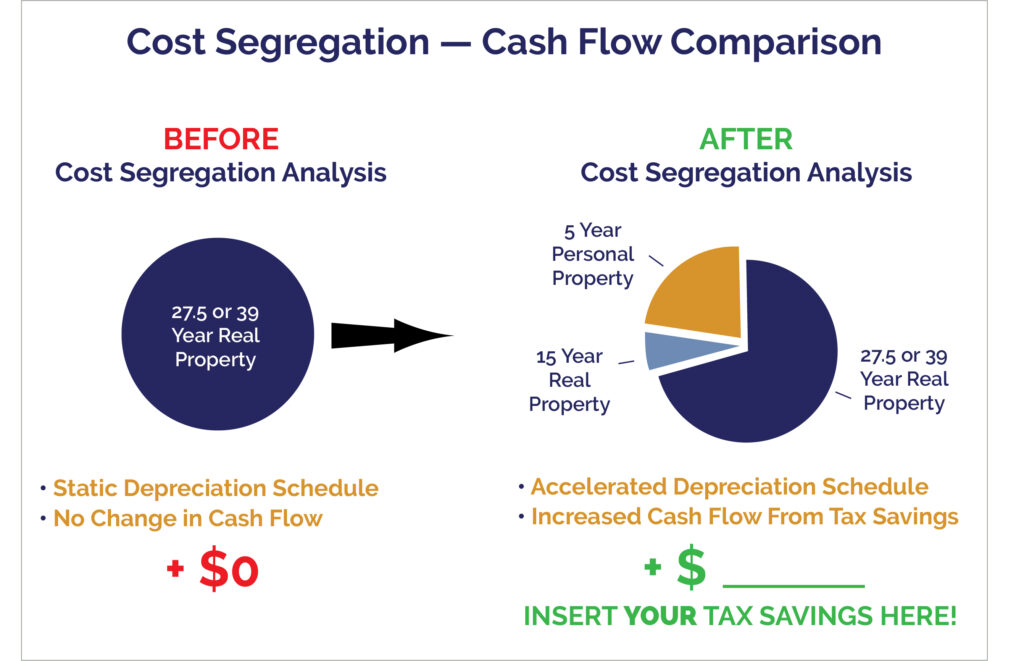
For more information you should click on this particular link cost segregation analysis.